
Vacant House Clearance Experts are vital for managing asbestos risks in abandoned homes, ensuring safe removal through advanced detection, stringent regulations, and meticulous protocols. They transform hazardous sites into rehabilitable properties, promoting community revitalization and minimizing environmental impact. Post-removal, experts verify asbestos elimination, employ safe demolition/renovation practices, and responsibly handle waste, supporting sustainable recycling programs.
Asbestos removal in abandoned homes is a pressing issue in urban areas, posing significant health risks to communities and first responders. Many vacant properties, left unattended for extended periods, often contain asbestos, a toxic material that can cause severe respiratory illnesses. The problem escalates due to the hazardous nature of asbestos disposal, complicating efforts to redevelop these sites. However, Vacant House Clearance Experts offer specialized solutions tailored to navigate this complex landscape. With advanced techniques and adherence to stringent safety protocols, our professionals ensure comprehensive asbestos removal, making these properties safe for future development and mitigating risks to public health.
- Assessing Asbestos Risks in Vacant Homes: Experts' Guide
- Safe Clearance: Step-by-Step Process for Vacant House Asbestos Removal
- Post-Removal: Ensuring Safe Environments After Asbestos Clearance in Abandoned Properties
Assessing Asbestos Risks in Vacant Homes: Experts' Guide
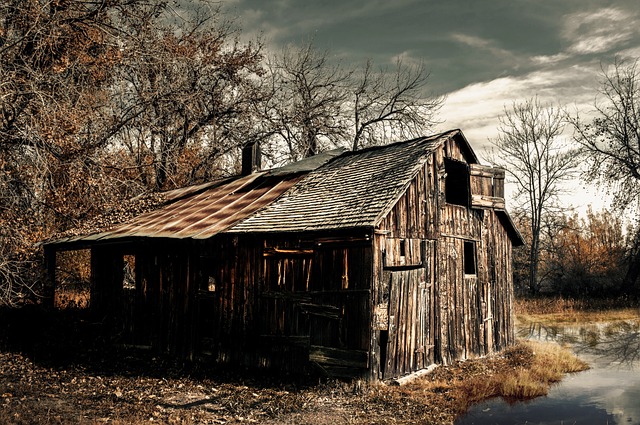
When assessing asbestos risks in vacant homes, a delicate approach is essential, particularly given the potential health implications for nearby residents and the complex nature of these properties. Vacant house clearance experts play a pivotal role in navigating this challenging scenario, offering both expertise and cost-effective solutions. These professionals are well-versed in identifying asbestos-containing materials (ACMs), which often require specialized handling due to their hazardous nature.
In many cases, hoarding cleanup presents an additional layer of complexity. According to recent studies, approximately 20% of vacant properties in urban areas are affected by extreme hoarding, significantly increasing the risk of hidden hazardous materials, including asbestos. This is where the expertise of vacant house clearance teams becomes invaluable. They employ advanced detection methods, such as infrared imaging and air sampling, to pinpoint ACMs before implementing safe removal techniques that comply with stringent regulations.
For instance, a typical scenario might involve an old, abandoned home filled with decades’ worth of accumulations, including potentially hazardous items. The vacant house clearance experts would first assess the property’s overall condition, focusing on identifying areas likely to contain asbestos, such as older insulation, flooring, or roofing materials. They then employ rigorous cleanup protocols, utilizing personal protective equipment (PPE) and specialized tools to minimize the release of asbestos fibers during the removal process. The team’s expertise ensures that the cleanup is conducted efficiently while prioritizing the health and safety of everyone involved.
By calling upon the services of vast experience in hoarding cases, property owners can ensure a thorough assessment and effective remediation. These professionals can also advise on cost-effective solutions for vacant house cleanup, helping to mitigate potential legal risks associated with asbestos exposure. This proactive approach not only protects public health but also aids in revitalizing communities by preparing these properties for new development or safe reoccupation.
Safe Clearance: Step-by-Step Process for Vacant House Asbestos Removal

The safe removal of asbestos from abandoned homes is a critical process that requires meticulous planning and execution. With a growing number of vacant properties across urban landscapes, the challenge of managing hazardous materials like asbestos has become increasingly prominent. Vacant house clearance experts play a pivotal role in ensuring these properties are cleared and rehabilitated safely and responsibly. This step-by-step guide delves into the intricacies of this process, offering valuable insights for both professionals and property owners.
First, conducting a thorough inspection is paramount. Experts assess the extent of asbestos contamination by examining building materials, including insulation, flooring, and roofing. This involves utilizing advanced diagnostic tools and manual sampling to identify hidden sources, as asbestos often hides within walls or beneath floorboards. Once identified, a tailored plan is developed, considering the type and quantity of asbestos, the size of the property, and local regulations. The next phase entails implementing strict safety protocols. This includes donning specialized protective gear, ensuring adequate ventilation, and employing containment methods to prevent asbestos fibers from spreading.
The removal process itself demands meticulous care. Asbestos materials are carefully dismantled and placed into secure containers designed to contain any loose fibers. Each step is documented meticulously to ensure compliance with environmental health standards. After completion, proper disposal becomes crucial. Asbestos waste cannot be discarded in regular landfills due to its hazardous nature. Responsible recycling programs, such as those offered by vacant apartment complex rehabilitation centers, are essential for safe and environmentally conscious property disposal. For instance, data from the Environmental Protection Agency (EPA) highlights that proper management of asbestos can reduce risks associated with exposure by up to 99%.
Estate clearance services often uncover hidden treasures within these abandoned spaces, including valuable items or materials that can be repurposed. However, this process requires expertise in both property clearance and potential material recovery. When handled by vacant house clearance experts, the transformation from hazardous site to rehabilitable property becomes a reality. Visit us at Responsible recycling programs to learn more about sustainable practices in vacant home management, ensuring not only safe clearance but also environmental stewardship.
Post-Removal: Ensuring Safe Environments After Asbestos Clearance in Abandoned Properties

After successful asbestos removal from abandoned homes, ensuring a safe and healthy environment is paramount to protect both future inhabitants and the surrounding community. This critical step involves meticulous post-removal procedures that go beyond mere cleanup. Vacant house clearance experts play a pivotal role in transforming these hazardous sites into viable spaces, contributing to revitalized neighborhoods.
The process begins with thorough testing to verify that all asbestos has been eliminated effectively. This includes air quality assessments and surface sampling to ensure no trace remains. Once cleared, the focus shifts to safe demolition or renovation practices tailored for vacant buildings. Experts employ specialized equipment and strict protocols to prevent the release of harmful fibers during any deconstruction or remodeling work. For instance, implementing negative pressure systems in enclosed areas prevents contaminated air from escaping, safeguarding nearby residents and workers.
Estate clearance services go beyond asbestos removal, uncovering hidden treasures within these forgotten properties. As professionals, we understand that each vacant home tells a unique story. Our experts carefully sort through personal belongings, documenting and preserving valuable items while responsibly handling waste. This meticulous approach not only supports individuals affected by abandonment but also contributes to sustainable practices by encouraging responsible recycling programs. By carefully managing materials post-removal, we minimize environmental impact and maximize resource recovery, ensuring that these once-neglected spaces become assets for revitalized communities.
Asbestos removal in abandoned homes is a critical task that requires meticulous planning and expert knowledge to ensure safe clearance. The article has provided an authoritative guide through various aspects of this process, from assessing asbestos risks specific to vacant properties to implementing a step-by-step removal process and subsequent environment safety measures. Vacant House Clearance Experts emphasize the importance of proper assessment and adherence to strict protocols for effective and secure asbestos elimination in these unique settings. Key insights include understanding potential asbestos-related hazards, employing specialized equipment and techniques, and maintaining comprehensive post-removal monitoring to safeguard both workers and future occupants. By following these guidelines, homeowners, property managers, and professionals can navigate the complexities of vacant house clearance, fostering safer communities and minimizing health risks associated with asbestos exposure.