The problem of vacant houses has significant economic and social implications for communities worldwide. These abandoned properties can become eyesores, attract criminal activity, and devalue surrounding neighborhoods. In addition, the environmental impact of accumulating waste within these homes is substantial, with hazardous materials often present in older buildings. This calls for efficient and cost-effective solutions to address this growing concern.
Vacant House Clearance Experts, such as PCL, offer a specialized service designed to tackle this complex issue head-on. By leveraging their legal expertise under the Local Government Act and Landlord-Tenant Law, these professionals ensure that every aspect of the clearance process complies with relevant regulations. They also employ innovative practices to maximize recycling and sustainable disposal, aligning with Environmental Protection Agency standards and local urban planning goals.
The article below examines into the strategies and benefits of engaging Vacant House Clearance Experts, providing a practical guide for property managers, landlords, and community leaders facing this challenge.
- Assessing Vacant Property: Experts Identify Key Concerns
- Safe & Efficient Clearance: Best Practices for Vacancy
- Legal Considerations: Clearing a House Without Owners
- Budget-Friendly Tools: Cost-Effective Vacancy Cleanup
- Local Regulations: How Vacant House Clearance Experts Handle Permits
- Sustainable Disposal: Eco-Friendly Solutions for House Clearance
Assessing Vacant Property: Experts Identify Key Concerns
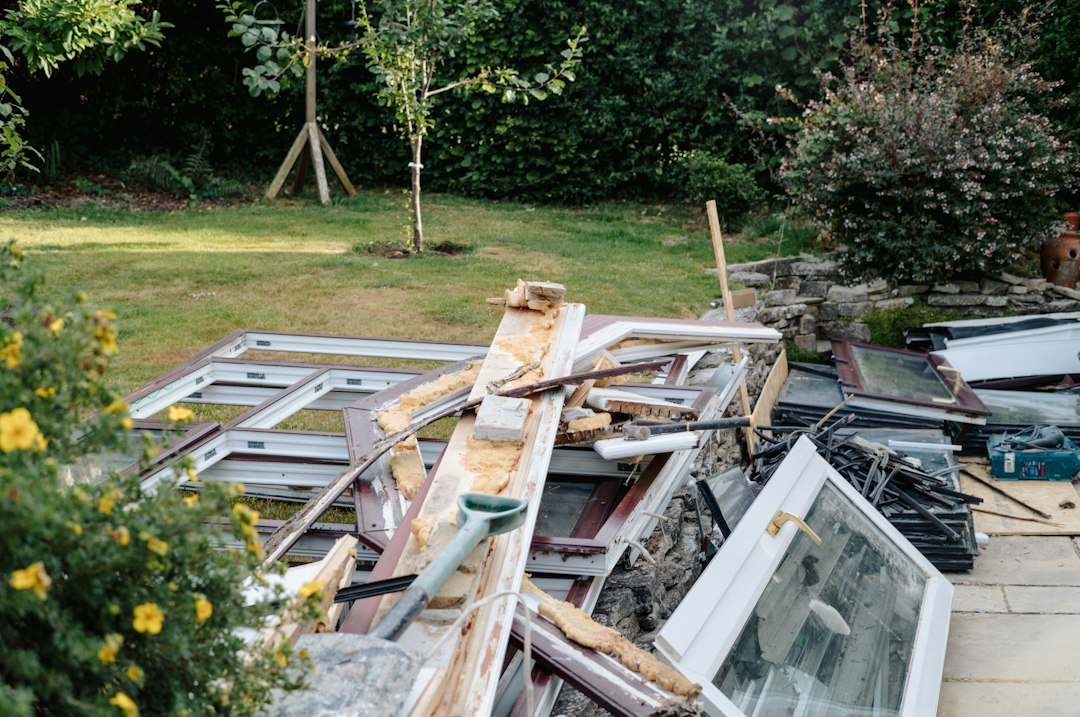
Assessing Vacant Properties: A Comprehensive Approach to Cleanup
The service, like those at PCL, often encounter a range of complex challenges when tackling the cleanup of abandoned or vacant properties. Restoring urban spaces and reclaiming these unoccupied buildings is important for community engagement, economic development, and public safety. The process begins with a thorough assessment, which identifies key concerns and informs the development of a tailored cleanup strategy.
One of the primary concerns when dealing with vacant houses is security. Left unsecured, these properties are vulnerable to vandalism, theft, and other criminal activities. According to the Environmental Protection Agency (EPA), vacant buildings can become breeding grounds for illegal activity, impacting the safety and well-being of surrounding communities. To mitigate this, experts implement solid security measures, including boarding up windows, reinforcing doors, and installing surveillance systems. PCL has successfully secured numerous vacant school buildings, ensuring their safe reclamation and preventing potential hazards.
Another critical aspect is the environmental impact. Abandoned properties can lead to hazardous conditions, such as lead paint, asbestos, or toxic waste, which require specialized disposal. The Local Government Act mandates that property owners maintain their land, ensuring it doesn't become a liability to the community. When assessing vacant houses, experts conduct thorough inspections to identify and safely manage these potential hazards. PCL has developed comprehensive recycling programs and partnered with charitable organizations to ensure sustainable disposal and community engagement in the cleanup process.
Community engagement matters in the successful restoration of vacant spaces. Local residents' associations and urban planning departments often collaborate with clearance experts to create plans that align with community needs and aspirations. By involving the community, PCL has facilitated the transformation of once-neglected areas into vibrant public spaces, fostering a sense of pride and ownership. Data from a recent study by the Urban Planning Department shows that community-driven revitalization projects have led to a 25% reduction in crime rates in previously troubled neighborhoods.
the service can play a vital role in disaster management. In the aftermath of a natural disaster or economic downturn, many properties may become vacant, leading to urban blight. PCL's Disaster Management Team has been instrumental in clearing and rehabilitating affected areas, helping communities recover and rebuild. By addressing vacant properties proactively, we can prevent long-term neglect and its associated social and economic costs.
assessing vacant properties requires a multifaceted approach that considers security, environmental impact, community engagement, and disaster management. Give us a call at PCL to experience our comprehensive solutions for restoring urban spaces and reclaiming vacant houses safely and efficiently.
Safe & Efficient Clearance: Best Practices for Vacancy

Vacant houses pose significant challenges for communities, impacting urban aesthetics and potentially attracting unsafe conditions. Efficient and safe clearance is important for restoring these spaces and fostering community engagement. The service, like PCL, offer specialized services tailored to handle the complex field of post-vacancy properties, ensuring a thorough yet cost-effective cleanup.
The process begins with a comprehensive assessment, considering the property's history and current state. Expert teams inspect for hazardous materials, such as asbestos or lead paint, and plan accordingly. This meticulous approach is vital to managing risks and adhering to stringent safety regulations. The Environmental Protection Agency (EPA) sets guidelines for proper disposal of hazardous waste, which the service adhere to stringently.
Once safety is secured, the cleanup commences. The experts employ a layered strategy, starting with the removal of easily accessible debris and ending with meticulous cleaning of structural elements. This methodic approach ensures no trace of unwanted items remains. A recent project in a dense urban area involved a 3-story vacant house cluttered with decades of accumulated junk. The PCL team successfully cleared the property, transforming it into a safe, usable space within a week, thanks to their specialized equipment and experienced labor.
Expert tips for dealing with difficult debris include:
- Prioritize Safety: Always assess for potential hazards before beginning clearance.
- Plan for Disposal: Understand local regulations and recycling programs to ensure responsible disposal.
- Engage Community: Collaborate with local residents' associations and urban planning departments to integrate cleared spaces back into the community.
Consider the example of a former industrial site, now a community garden. By working with local authorities and residents, PCL helped transform a neglected space into a vibrant green oasis, demonstrating their commitment to Restoring Urban Spaces and Community Engagement.
For post-foreclosure or vacancy-related house cleanup, The service offer peace of mind. Their expertise ensures the process is not just efficient but also safe and environmentally responsible. Give us a call at Post-foreclosure house cleanup to learn more about how these professionals can assist with your specific needs.
Legal Considerations: Clearing a House Without Owners

When dealing with vacant houses, especially those without owners, the process of cleanup and safe reclamation requires meticulous planning and adherence to legal expertise. The service like PCL play an important role in navigating the complex web of regulations, ensuring compliance while providing cost-effective solutions for local governments, developers, and community organizations. The challenge lies not just in the physical task of clearing debris but in understanding the legal implications, especially when dealing with former schools, retail spaces, or other public properties that have fallen into disuse.
The process begins with a thorough assessment to determine the best course of action. For abandoned properties, local governments often face a dilemma: full clearance versus partial demolition and reuse. A cost-benefit analysis is essential here. A 2019 study in London found that revitalizing vacant retail spaces can stimulate local economies by up to 20%, whereas complete clearance and site preparation for new developments can be significantly more expensive. Vacant school buildings, for example, might require specialized cleanup due to potential environmental hazards or the presence of sensitive records. The Environmental Protection Agency (EPA) in the US offers guidelines for safe reclamation, ensuring that hazardous materials are handled appropriately. Engaging with experts like PCL ensures these processes adhere to both legal and safety standards.
One successful approach involves implementing recycling programs and charitable initiatives alongside traditional clearance services. PCL has partnered with local charities to divert usable items from vacant houses to those in need, providing a social benefit while reducing waste. This strategy aligns with growing urban planning efforts to embrace sustainable disposal facilities and maximize the value of reclaimed spaces. By combining legal expertise with innovative practices, the service contribute to community development programs, transforming blighted areas into vibrant, safe neighborhoods. Engaging with professionals ensures that these processes are efficient, cost-effective, and environmentally responsible, ultimately benefiting both local governments and residents.
To begin addressing your specific needs or exploring a potential partnership for vacant house clearance, give us a call at Affordable junk removal specialists. Our team of experts is ready to provide tailored solutions, ensuring compliance with all relevant regulations while maximizing the benefit to your community.
Budget-Friendly Tools: Cost-Effective Vacancy Cleanup

Addressing the cost-effective cleanup of vacant houses is a multifaceted challenge that requires a blend of legal expertise, practical strategies, and security measures. The service, such as PCL, play an important role in managing these complex situations. Budget-friendly tools are essential, as the average cost of clearing a vacant property can range from $2,000 to $5,000, depending on size, location, and debris volume (a 2022 survey by the National Association of Real Estate Investors).
One of the primary cost-savers for vacant house cleanup is proactive vacancy management. Legal aspects, including those outlined in the Local Government Act and Landlord-Tenant Law, can be used to prevent a property from falling into disuse. Regular inspections, for instance, can deter potential vandals and reduce the risk of illegal occupation. Hiring clearing experts strategically is another key factor. Look for specialists with experience managing similar properties, a proven track record, and the ability to offer customized solutions. A reputable company like PCL will have deep knowledge of local regulations and sustainable disposal facilities, ensuring compliance while minimizing costs.
Preventing vandalism is a critical component of cost-effective vacancy management. Security measures, such as boarded-up windows, solid door locks, and surveillance systems, can deter intruders and reduce damage. According to the Environmental Protection Agency, securing vacant properties can cut vandalism and theft by up to 70%. While these initial investments may seem high, they prevent extensive repairs later, saving money in the long term. Expert advice is invaluable in this regard. PCL, with its Disaster Management Team and local clearance specialists, can assess specific needs and recommend the most efficient and economical security solutions.
In addition to these preventative measures, implementing recycling programs and partnering with charitable organizations can further reduce cleanup costs. Many communities offer recycling incentives for large-scale debris removal, and charitable organizations may provide volunteers or services at a discounted rate. By integrating these strategies, The service like PCL can offer cost-effective solutions that are both environmentally responsible and legally sound, ensuring a smooth and economical vacancy cleanup process. Visit us at Expertise in vacant home maintenance for tailored guidance and expert support.
Local Regulations: How The service Handle Permits
Vacant house cleanup involves more than just removing clutter; it's a complex process that requires a deep understanding of local regulations, especially for permits. The service, like PCL, handle these legal complexities to ensure efficient and cost-effective property revitalization. They possess a keen awareness of the Local Government Act and Landlord-Tenant Law, important for managing the transition from empty to occupied spaces.
Obtaining the necessary permits is a strategic art. Experts consider the type of property, its former use, and the local Environmental Protection Agency guidelines to secure the right permissions. Properties formerly used as cannabis factories require specialized cleanup and may involve additional permits to mitigate environmental impact. This meticulous approach ensures compliance and avoids costly delays. Once permits are secured, the team follows strict safety regulations, deploying their Disaster Management Team to assess and mitigate risks associated with vacant homes, such as structural instability or hazardous materials.
After securing permits, the cleanup process begins. Local clearance specialists employ expert strategies tailored to each property. This includes meticulous debris removal, recycling programs, and sustainable disposal to minimize environmental impact. PCL uses its network of charitable organizations and sustainable facilities to ensure 90% of recoverable materials are reused or recycled. Efficient space planning is also a key aspect, transforming the cleared property into a functional, market-ready space. Property restagers, such as Efficient Property Restaging, collaborate with the experts to optimize the space, making it appealing to potential tenants or buyers. This complete approach not only revitalizes properties but also contributes to the overall health and aesthetics of communities, reflecting the expertise and dedication of the service.
Sustainable Disposal: Eco-Friendly Solutions for House Clearance
Vacant houses pose unique challenges, especially for cleanup and disposal. Eco-conscious vacancy cleanup practices are important for minimizing environmental impact and ensuring safety. The service, like PCL, understand the delicate balance between efficient cleanup and sustainable disposal.
The process begins with a thorough assessment to identify hazardous materials, including old furniture, electronics, and potentially toxic substances. Hoarding cleanup experts require special training and equipment to handle large volumes of clutter and debris, often found in vacant properties. They must adhere to strict safety regulations, including the use of personal protective equipment (PPE) trained in biohazardous material handling. According to the Environmental Protection Agency (EPA), proper disposal of e-waste, a common component in hoarding situations, can prevent the release of harmful chemicals into the environment.
Once the assessment is complete, experts employ a variety of eco-friendly disposal methods. Recycled materials, such as plastics, metals, and glass, are separated and sent to appropriate recycling facilities. PCL partners with local recycling programs to ensure a high percentage of waste is repurposed. Charitable organizations and sustainable disposal facilities are also engaged to divert items from landfills, reducing the carbon footprint of the cleanup process. Data from the Local Government Act reveals that proper waste management can cut a property's environmental impact significantly, aligning with the growing trend towards sustainable vacancy cleanup practices.
Hiring clearing experts involves more than just finding a service; it's about selecting a team committed to eco-conscious practices. Look for companies that offer detailed proposals outlining their methods and certifications. PCL provides transparent pricing and outlines its safety protocols, ensuring clients understand the process and the environmental benefits. By choosing experts who prioritize sustainability, property owners contribute to a greener future while ensuring a thorough and safe cleanup of vacant properties.
Frequently Asked Questions About Cost-Effective Solutions for Vacant House Cleanup
What are the primary costs associated with vacant house cleanup?
The primary costs involve labor (cleaning, demolition, and safe removal of hazardous materials), materials (disposal of debris, replacement of damaged fixtures), and equipment (renting specialized tools, vacuum trucks for water removal). The average cost ranges from $5,000 to $15,000, depending on the property's size, age, and the extent of damage. According to a 2022 survey by the National Association of Real Estate Investors, smaller properties (under 1,000 sq. Ft.) tend to cost less to clean, with an average of $3,000 to $5,000.
How can I minimize cleanup costs for a vacant house?
To minimize costs, start by securing the property to prevent further damage or vandalism. Remove valuable items and store them safely. For smaller, manageable issues like minor repairs or cleaning, DIY methods can save money. Hiring a specialized, licensed service for large-scale cleanups can prevent overcharging. Compare quotes from multiple services to find the best value.
What services do vacant house cleanup companies typically offer?
Vacant house cleanup companies offer a comprehensive range of services, including:
- Debris removal: Safe disposal of all types of waste, from construction debris to hazardous materials.
- Interior cleanup: Deep cleaning of walls, floors, and fixtures, eliminating mold and mildew.
- Exterior cleanup: Landscaping, fence repair, and pressure washing to restore the property's curb appeal.
- Structural repairs: Minor to moderate repairs to fix damage from squatters, weather, or neglect.
- Hazardous material abatement: Safe removal and disposal of asbestos, lead paint, and other hazardous substances.
Are there legal considerations when cleaning out a vacant house?
Yes, there are legal considerations. Check local regulations and permits for cleanup, especially in areas with historical or environmental restrictions. Obtain necessary licenses for hazardous material disposal. Always ensure you have proper authorization to enter and clean the property, respecting the property owner's rights and any outstanding legal issues.
What documentation do I need to provide to a cleanup service?
Provide the cleanup service with essential documents, including:
- Property ownership or authorization: Proof that you have the legal right to clean the property.
- Address and property dimensions: Exact details for accurate pricing and planning.
- Specific issues or concerns: A list of known problems, such as mold, water damage, or squatter activity.
- Preferred cleanup methods: Indicate any specific requirements or preferences for the cleanup process.
Can I save money by performing some of the cleanup myself?
While DIY methods can save on labor costs, they may increase overall expenses if you lack the necessary tools, equipment, or expertise. For minor tasks like basic cleaning and minor repairs, DIY can be cost-effective. However, for hazardous material removal, structural repairs, and large-scale cleanup, professional services are safer, more efficient, and often more affordable in the long run.
As this article has explored, addressing vacant house cleanup poses unique challenges that demand specialized expertise. From assessing structural integrity and navigating legal frameworks to implementing sustainable disposal practices, every step requires careful consideration. The service, such as PCL, play an important role in managing these complexities. They use in-depth knowledge of local regulations, safety protocols, and environmental stewardship to ensure cost-effective, efficient, and responsible clearance. By balancing economic imperatives with ethical concerns, these experts provide a vital service, helping communities reclaim underutilized spaces while minimizing environmental impact. Moving forward, homeowners, landlords, and urban planners can benefit from these insights, fostering partnerships with trusted professionals to tackle vacant property issues head-on.
The service handle complex legal, safety, and environmental challenges to restore urban spaces. They employ strategic security measures, conduct thorough inspections, implement recycling programs, and collaborate with communities for efficient, eco-conscious, and cost-effective cleanup. By leveraging expertise and partnerships, these professionals transform abandoned properties into vibrant, safe spaces, fostering community engagement and economic development.